
GLAUCOMA
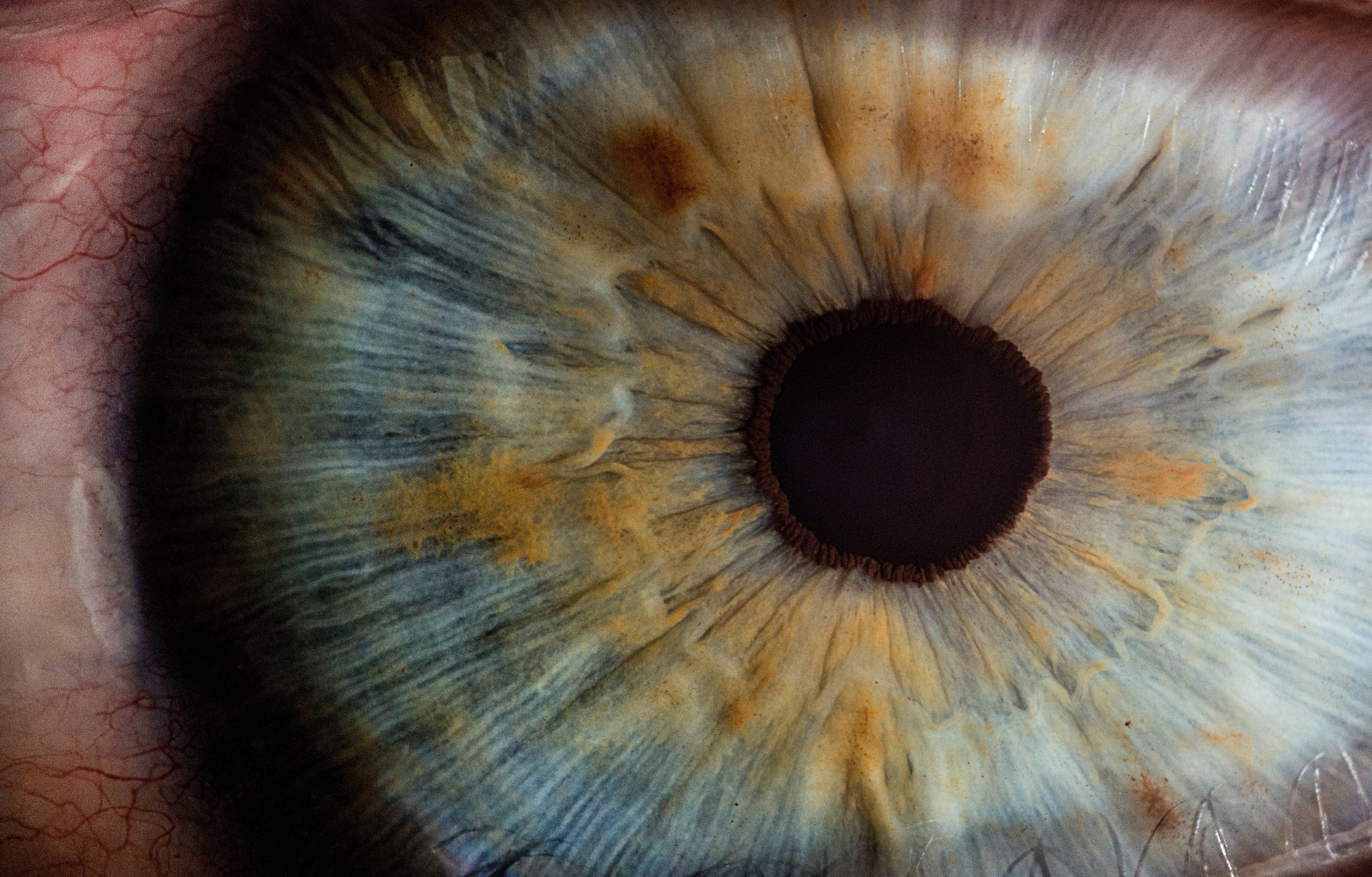
Glaucoma is a condition that affects one or both eyes. It is associated with damage to inner parts of the eye (optic disc) and loss of vision. The amount of vision loss will depend on the severity and how long the condition has been present.
What Causes Glaucoma?
Many factors play a role in the development of glaucoma, however intraocular pressure (IOP) is a primary contributing factor. There is gel-like fluid inside the eye called aqueous humor which helps keep the eye healthy and properly shaped. It also causes a small amount of pressure inside the eye. Sometimes this pressure can get too high, and this is called ocular hypertension (OH).
A person can have OH and not have any loss of vision, but over time, this high pressure can begin to damage sensitive parts of the eye, leading to vision loss. Once damage starts to occur, the person is said to have glaucoma.
It is important to note that glaucoma can be caused by many factors other than IOP. Some people may get glaucoma but never have a high IOP. Your doctor can help explain all the causes.
How are glaucoma & ocular hypertension diagnosed?
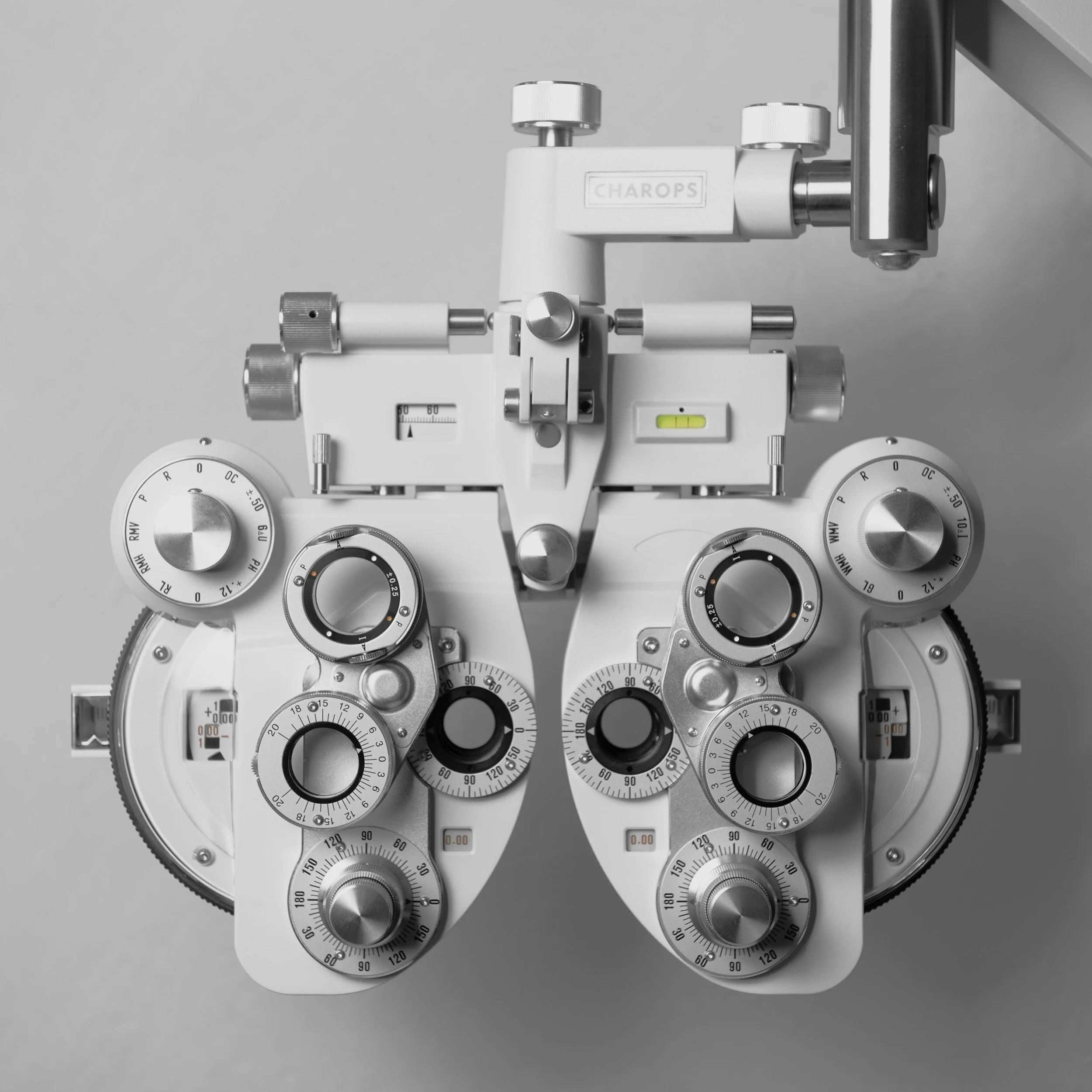
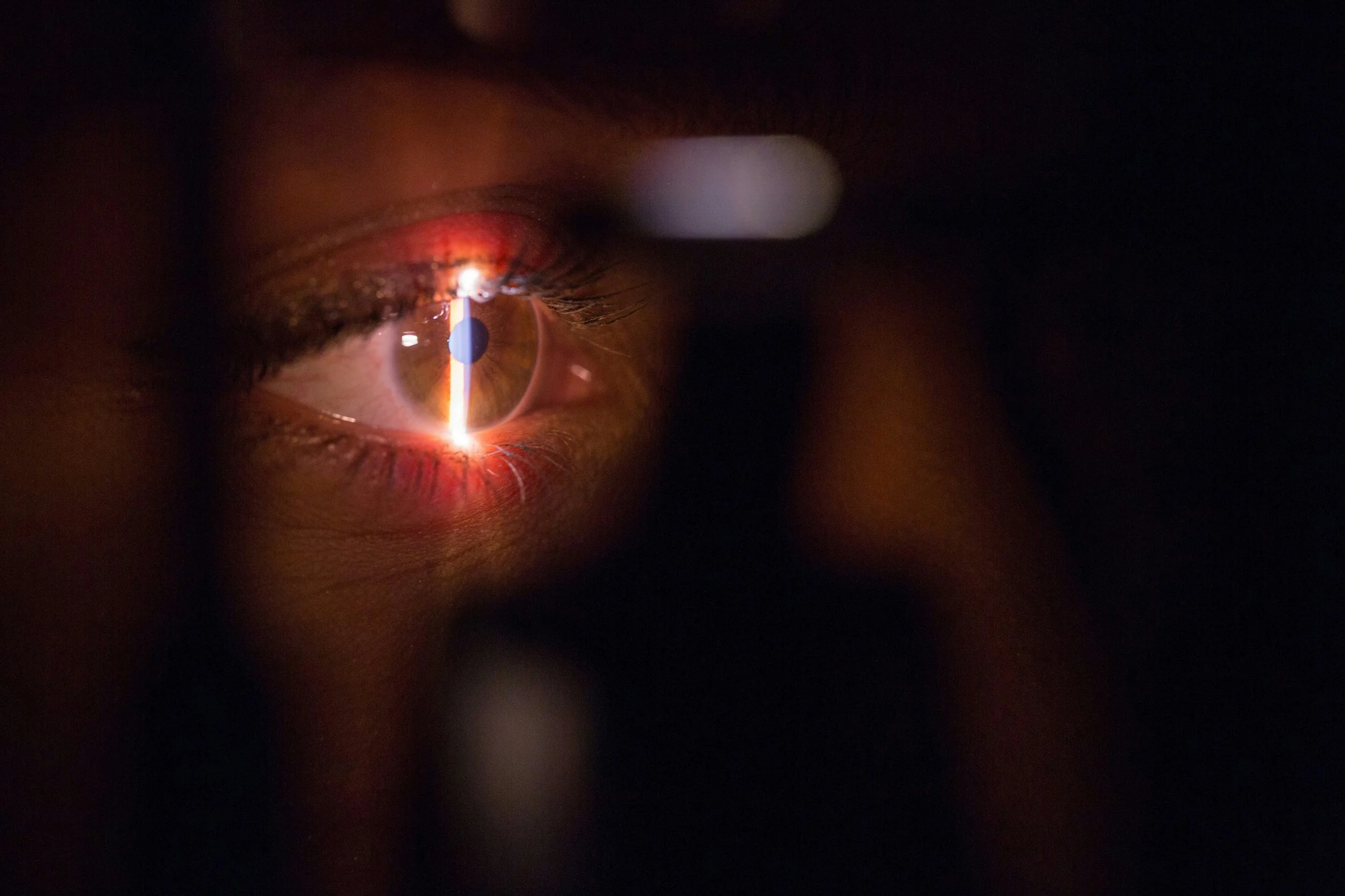
Ocular hypertension (OH) is diagnosed by measuring the IOP of each eye. This is done with a machine that uses a special tool to measure the pressure in your eye. Once the doctor knows what your IOP is, they will do an eye examination and other tests to see if any loss of vision has occurred. It also will help show if there is any damage to the internal parts of the eye.
Here at Crystal Clear Eye Surgeons, we use a state of the art diagnostic and monitoring tool called an OCT, which helps Dr. Meier to clearly see the internal structures of your eye, so problems can be treated before they progress. Dr. Meier will also use information about any family history of glaucoma, medicine use, and your own past medical history to determine the best course of treatment.
Glaucoma Treatments
Medicated Eye Drops
The most common glaucoma treatment involves using medicated eye drops to decrease IOP. Some kinds improve how fluid drains from the eye while others decrease the amount of fluid the eye makes. Depending on how low the eye pressure needs to be, more than one eye drop may be prescribed.
Surgery
Sometimes surgery is needed when eye drops or other medications cannot be tolerated. Common surgical procedures include:
Laser Therapy: A small laser is used to improve the drainage of the tissue located at the angle where the iris and cornea meet.
Frequently Asked Questions
Are there risk factors for glaucoma?
1
Certain factors can increase a person's risk of developing glaucoma. Your doctor can determine if these or other risk factors are present. A few of these risk factors are: Age over 50, Very high IOP, Thin cornea (an outer layer of your eye), African Americans over age 40, and Individuals with other health conditions, such as diabetes.
Can treatment reverse the vision loss caused by Glaucoma?
2
While vision can improve somewhat over time, damage from glaucoma is generally considered permanent. It’s critical to have regular eye exams so that you and your doctor can monitor and slow progression of the disease.