

CATARACTS
We can perform cataract surgery when your cataracts are both clinically significant and causing enough visual impairment to warrant surgical treatment.
What Are Cataracts?
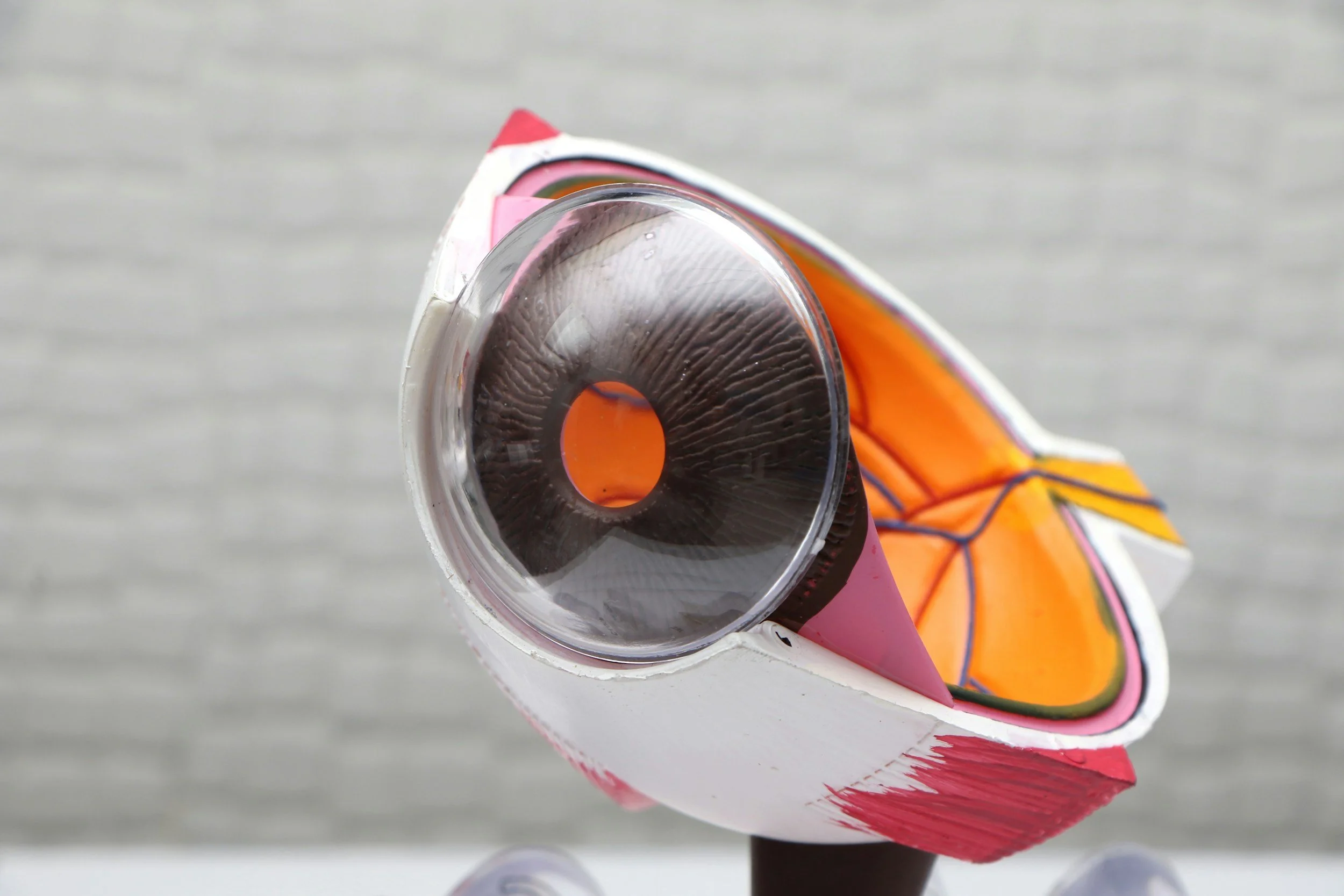
A cataract is a common, typically age-related eye condition where the normally clear lens inside the eye becomes cloudy or opaque. This clouding obstructs light from reaching the retina, resulting in blurred vision, reduced color vibrancy, and increased sensitivity to light. They are treated via surgery to replace the damaged lens.
Cataract surgery is one of the safest and most successful procedures performed by eye surgeons today.
The operation is simple: the surgeon makes a tiny incision in the eye. Through the tiny incision, the surgeon inserts an instrument about the size of a pen tip. Once the cataract is removed, a replacement lens is inserted through the same tiny incision and set into position to replace the natural lens.
Cataract Treatments
Intraocular Lenses
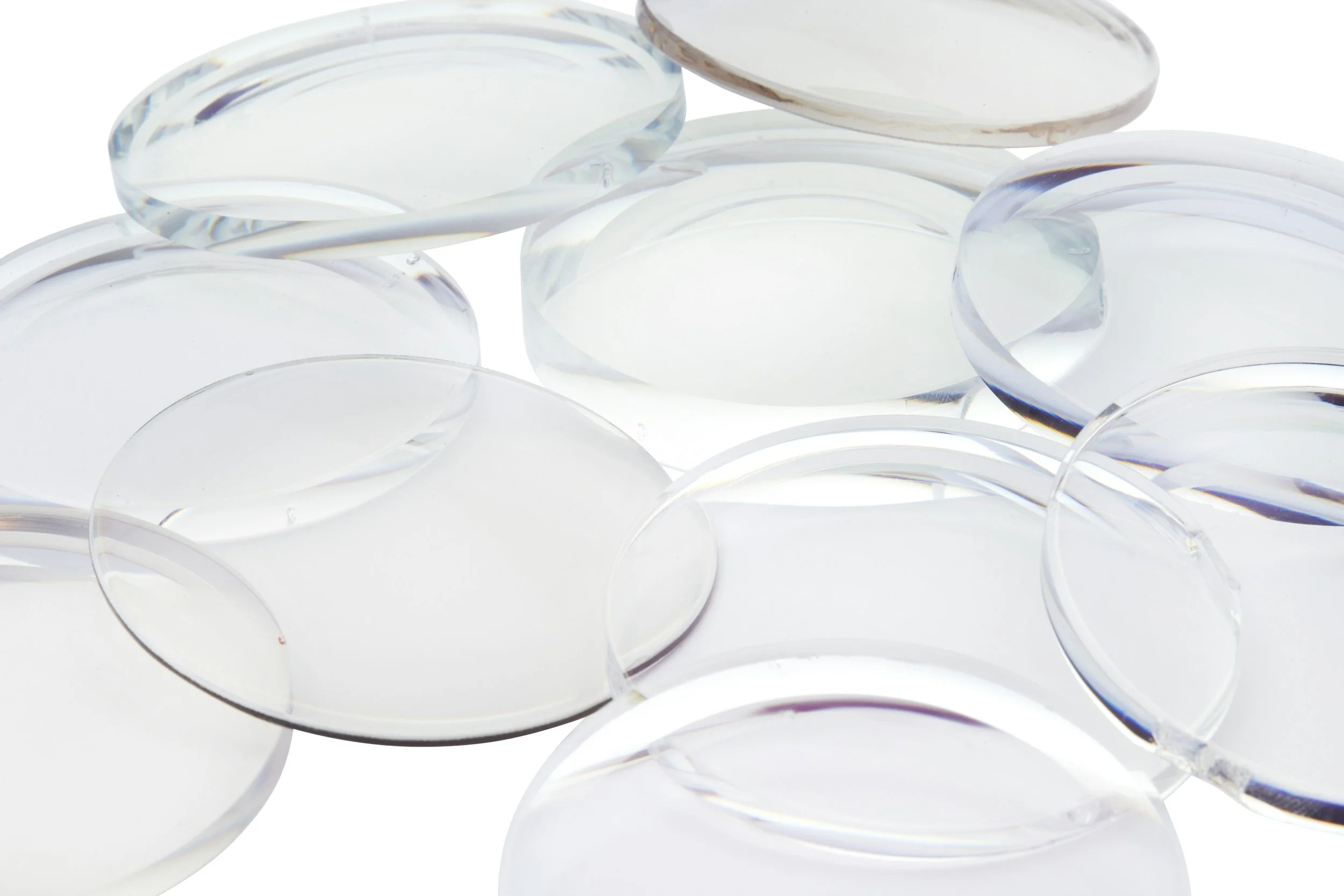
An Intraocular lens (IOL) is an artificial lens that is implanted into the eye of someone to replace a damaged natural lens or someone who has had a cataract removed. In general there are two types of IOLs: Monofocal and Multifocal.
Monofocal IOLs
Monofocal intraocular lenses (IOLs), or traditional lenses, offer vision at one distance, meaning you will have improved vision for either far, intermediate or near sight, but not a combination of all three. That being said, a monofocal lens still offers a great improvement over the cloudy, blurred vision of the cataractous lens. This also means that you must wear eyeglasses or contact lenses to use a computer, read or view objects at or past arm’s length.
Multifocal IOLs
Recent FDA approvals of newer versions of multifocal intraocular lenses (IOLs) for cataract surgery mean even more options are available for people who want to reduce or possibly eliminate their dependence on eyeglasses or contacts. Multifocal IOLs change the way light is directed depending on where it falls on the IOL’s different zones. This lets your eye achieve focus at multiple distances.
If you are a good candidate for a multifocal IOL and you choose this option, the type your cataract surgeon recommends will likely depend on your unique circumstances, lifestyle and vision correction needs.
FREQUENTLY ASKED QUESTIONS
How advanced are my cataracts?
1
Dr. Meier will be able to diagnose the severity of your cataracts during your comprehensive eye exam. Based on the results, he will make recommendations for which IOL you will benefit from most.
The best IOL for you depends on your lifestyle, visual goals, and eye anatomy. Other factors that should be considered are whether you want to reduce dependence on glasses, your budget, and specific activities, such as driving or reading
Which type of intraocular lens (IOL) would I benefit most from?
2
Will any of my current prescriptions or over-the-counter drugs complicate the surgery or recovery process?
3
Dr. Meier will review the medications you currently take to understand whether any of them could affect recovery. Common prescriptions that can cause issues include alpha-blockers like tamsulosin (Flomax), doxazosin, and terazosin and blood thinners such as warfarin, clopidogrel (Plavix), apixaban (Eliquis), and rivaroxaban (Xarelto).
What will my vision be like after recovery?
4
Full recovery from cataracts surgery typically takes 4-8 weeks. Once you are fully recovered, you can expect dramatically improved vision, with colors often appearing more vivid.
What is the post-surgery follow-up process?
5
Following cataract surgery, the post-operative follow-up process is crucial for ensuring your eye heals safely and your vision stabilizes. You will typically see Dr. Meier for a series of quick checkups to monitor healing, check your eye pressure, and ensure there are no signs of infection or inflammation.
During this recovery period, you may use prescribed antibiotic and anti-inflammatory eye drops, wear a protective shield while sleeping, and avoid strenuous lifting or bending. Once your eye is completely healed around the one-month mark, Dr. Meier will perform a final vision test and prescribe new reading or distance glasses if needed to maximize your clear, restored vision.